How AI-Powered Lead Capture Systems Improve Customer Engagement and Follow-Ups
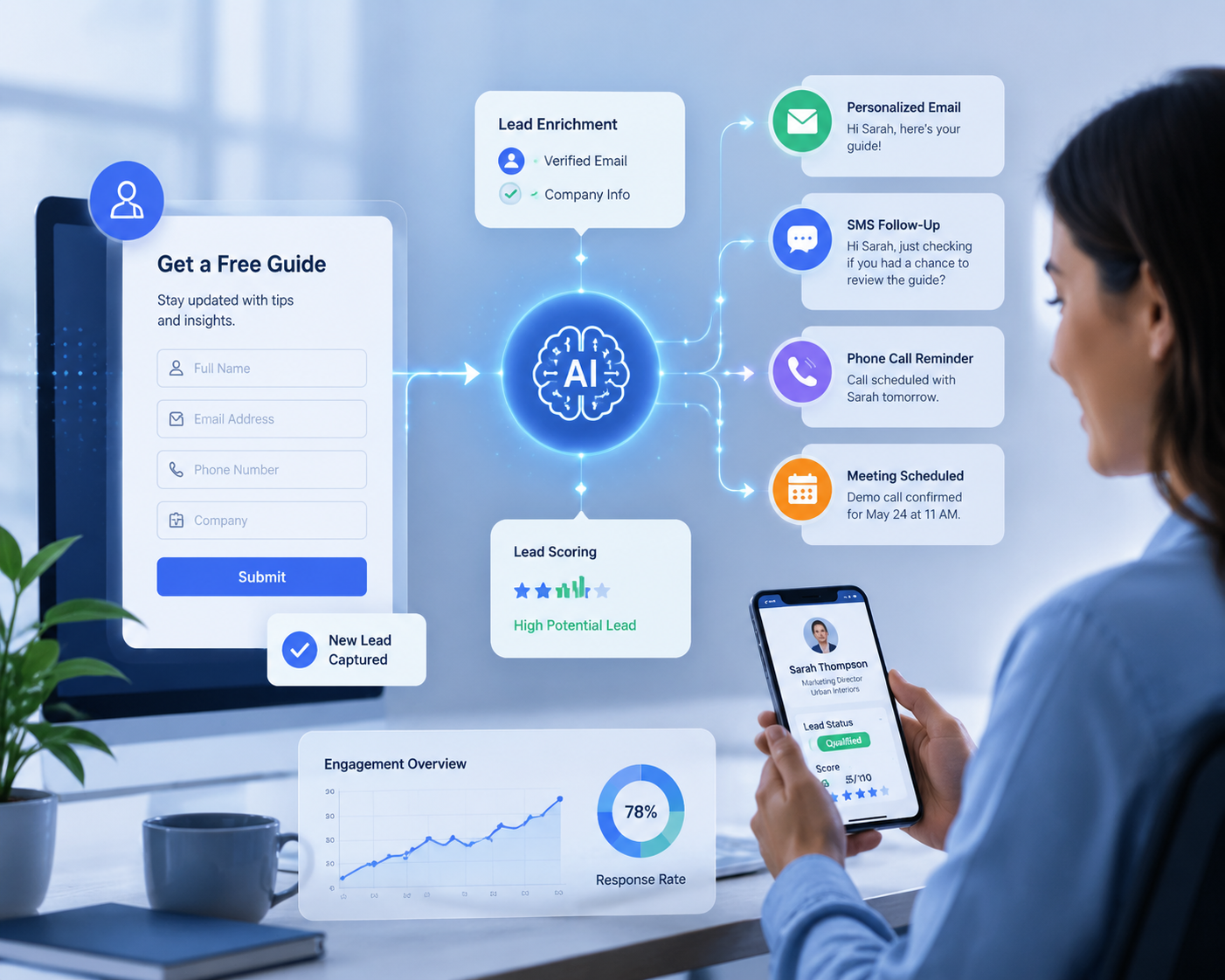
Events, conferences, and business networking opportunities create valuable moments for companies to connect with potential customers. However, collecting contact information is only the first step. The real challenge begins after the interaction ends: understanding customer interests, organizing valuable insights, and creating meaningful follow-up experiences.
Many businesses still rely on traditional lead collection methods such as business cards, manual forms, or basic digital sign-up sheets. While these methods can capture contact details, they often fail to provide important context about customer needs, preferences, and buying intent. As a result, sales teams may spend significant time organizing information instead of building relationships.
An AI-powered lead capture system helps solve these challenges by combining automated data collection with intelligent analysis. Instead of simply storing names and contact details, modern solutions help businesses understand customer behavior, identify valuable opportunities, and deliver more personalized communication.
For companies participating in conferences, exhibitions, and networking events, artificial intelligence is changing how leads are collected, managed, and converted into long-term relationships.
Understanding AI-Powered Lead Capture Systems
A lead capture system is a technology solution designed to collect information from potential customers and organize it for future engagement. When artificial intelligence is added, the system becomes more powerful because it can analyze interactions, recognize patterns, and provide useful insights. Traditional lead collection focuses mainly on gathering basic information such as a name, email address, and company details. AI-powered systems go further by understanding the context behind each interaction. For example, during a conference, one visitor may be interested in learning about pricing, another may be researching solutions for future planning, and another may simply want industry information. An intelligent system can help identify these differences and support more relevant communication afterward. These systems may connect information from multiple sources, including event registrations, digital profiles, networking activities, conversations, surveys, and attendee engagement data. This creates a more complete picture of each customer journey.Why Businesses Are Moving Beyond Traditional Lead Collection
The expectations of customers have changed. People now expect businesses to provide relevant information quickly and communicate based on their specific interests. Generic follow-up messages often fail because they do not reflect the actual conversation or customer needs. Traditional lead collection creates several challenges. One major issue is incomplete information. A simple contact form may show who attended an event, but it usually does not explain why the person was interested or what they wanted to learn. Another challenge is delayed follow-up. When teams manually organize hundreds of contacts after an event, valuable opportunities may lose momentum. Customers who were highly interested may receive the same message as someone who only briefly interacted with a brand. AI-powered solutions help businesses overcome these limitations by turning collected data into actionable insights.How AI Improves Customer Engagement During Events
Customer engagement is not only about attracting visitors. It is about creating meaningful conversations and understanding what each person needs. An AI-powered system helps businesses improve engagement by capturing more valuable information during interactions and making it easier to respond appropriately.Creating More Personalized Experiences
Personalization has become an important part of customer communication. People are more likely to engage with businesses when they receive information that matches their interests. AI technology helps identify customer preferences based on their interactions. For example, if an attendee spends time exploring a specific solution, attends related presentations, or asks detailed questions, the system can help highlight those interests for future communication. This allows businesses to move away from generic follow-ups and create conversations that feel more relevant.Improving Lead Qualification
Not every person who interacts with a brand has the same level of interest. Some visitors may be ready for a sales discussion, while others may still be gathering information. Modern lead capture software can help categorize leads based on engagement signals. Instead of treating every contact equally, sales teams can focus their attention on prospects who show stronger interest. This improves efficiency and helps create better customer experiences because communication becomes more timely and appropriate.Capturing Valuable Conversation Insights
Important details are often discussed during meetings, booth conversations, and networking sessions. However, remembering every detail after a busy event can be difficult. AI-powered tools can help capture and organize these insights. A conference AI transcript solution, for example, can support teams by recording important discussions and making key information easier to review later. This allows businesses to better understand customer questions, challenges, and expectations without relying only on memory or handwritten notes.How AI-Powered Systems Improve Post-Event Follow-Ups
The period after an event is critical. A strong follow-up strategy can turn a simple conversation into a long-term business relationship. AI helps improve this process by organizing information and helping teams communicate more effectively.Faster and More Relevant Communication
Speed matters when following up with potential customers. When someone shows interest during an event, a delayed response can reduce engagement. AI-powered workflows help businesses organize follow-up activities more efficiently. Teams can identify important leads, assign tasks, and share relevant information faster. For example, a visitor who requested product information can receive appropriate resources, while someone interested in partnership opportunities can be directed to the right team member.Better Lead Segmentation
Effective follow-up depends on understanding different types of customers. AI helps separate contacts based on factors such as:- Their interests and engagement level
- Their interaction history
- Their business needs
- Their position in the buying process